Call us on 01656 252 252


Keeping the cold out starts with your windows. A worn seal lets in more than cold air, and it lets your heating bill climb too. Noticed condensation creeping back, a stiff handle or a room that won’t hold its heat? Now’s a good time to sort it, not halfway through a freezing January. Across South Wales, winters tend to bring heavier wind and rainfall than the rest of the UK, so a well-fitted window matters more given the local climate.
Winter-proofing your windows comes down to three things: check your frames and seals for wear and block any draughts you find. On top of that, add temporary insulation while you weigh a repair against a new window. Get ahead of the colder months, and you’ll feel a noticeable difference all winter, with a warmer home and lower energy bills.
Key highlights
- Check the condition of your windows for draughts, misting between the panes and stiff window frames
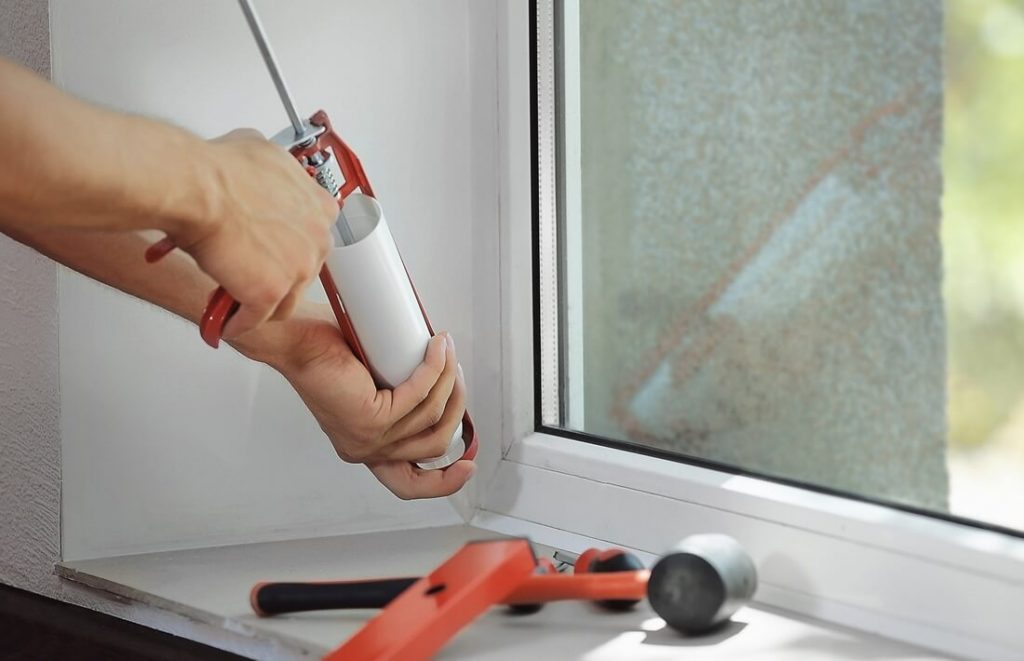
- Seal obvious gaps with draught stoppers or some fresh sealant around the frame
- Add a temporary insulating barrier with window film, thermal curtains or cellular shades
- Book a professional consolation if draughts or damp keep coming back after a DIY fix
What draughty windows really cost you
Old or poorly sealed windows are one of the biggest reasons a home struggles to stay warm. Heat slips out through worn frames and failing seals, your heating must work harder to compensate, and your energy bills rise as a result. It isn’t just about comfort. A draughty window often brings condensation and damp along with it, affecting indoor air quality across different parts of your home.
So how much does that actually save you? The Energy Saving Trust estimates that swapping single glazing for A-rated double glazing improves energy efficiency and saves a typical household around £85 a year on energy bills, a figure that adds up winter after winter.
Signs your windows need attention
Before trying any DIY window insulation, it pays to know exactly what you’re dealing with. A few tell-tale signs point to what’s really going on:
- Cold air around the frame: usually points to a worn-out seal, most common on older windows and often simple enough to put right
- Condensation on the inside of the glass: usually a ventilation issue rather than a window fault, and it tends to clear with better airflow
- Condensation trapped between the panes: a bigger concern, this means the seal inside the double glazed unit has failed, and no film or draught stopper will fix it
- Swelling, warping or a soft patch in the frame: a sign of water damage building up over time, most common on timber and older uPVC that hasn’t been checked in a while
- Handles, hinges or locks that stick: usually a smaller, cheaper fix, but worth having looked at while you’re dealing with everything else
Simple maintenance: checking your windows every autumn before the cold days arrive catches most issues whilst they’re still affordable to repair.
Simple ways to keep the cold out
For minor draughts and cold spots, several options can help before it’s a job for our team of experts:
- Draught stoppers: fitted along the indoor window frame or sill, these seal off the most common point where cold air gets in, often solving a persistent draught with little effort
- Window film: plastic shrink film or insulation film, applied with a light mist of water and a hairdryer, traps a layer of air pockets against the glass without changing how the window looks
- Removable magnetic vinyl: fits directly onto the existing frame with minimal effort and no permanent alteration, a discreet option for period properties where secondary glazing isn’t practical
- Thermal curtains, cellular shades and other window treatments: trap a layer of warm air between the fabric and the glass overnight, cutting heat loss while still letting in soft, indirect sunlight
- Secondary glazing: an internal pane fitted just inside the existing frame, well suited to older properties where the original window has to stay in place
Choosing the right method for the window gets the best results. Magnetic film that works well on a small casement window won’t achieve the same result on a large, draughty bay.
Does window film actually stop heat loss?
Used correctly, yes. Window film creates a genuine insulating barrier, trapping still air that reduces heat loss through the glass. It performs well against smaller draughts and cold spots, though it cannot compensate for a frame or seal that has already failed.
Signs you need a replacement, not just a repair
DIY solutions only go so far. A few signs indicate that a window needs replacing rather than repairing:
- A frame warped beyond straightening
- Hardware that’s failed completely
- Draughts that keep coming back no matter how many times it’s been resealed
It’s worth getting a professional assessment before assuming a window is beyond saving. Our window repair service fixes misted double glazing, worn seals and faulty locks most weeks, including windows other companies had already written off as beyond repair. Every job starts with a free, no-obligation survey and comes with an insurance-protected guarantee, so you know exactly what solution your windows require.
When repair genuinely isn’t the answer, our A-rated uPVC and aluminium windows are designed to last, giving your home a proper long-term fix rather than another temporary one.
Why A-rated glazing is worth the investment
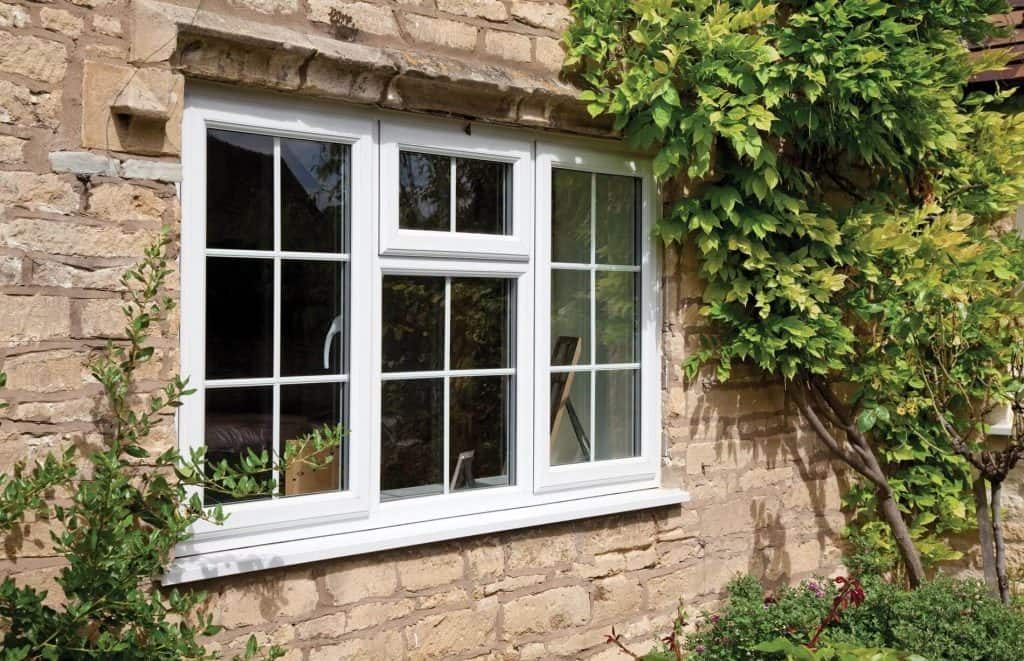
A-rated glazing pays off because it cuts heat loss and reduces condensation through the winter months, keeping energy costs down year after year rather than just this one. Our windows are available in casement, flush sash, sliding sash and bay styles.
Every style is built with British weather in mind, designed to last you through all seasons. For period properties, our secondary glazing achieves similar results without changing how the house looks.
Take the next step before winter arrives
If your windows are showing signs of wear this winter, we can help protect your home’s comfort, from a straightforward repair to a full replacement. Contact us today for a free, no-obligation quote, and let our team recommend the best solution for your home. Call 01656 252 252 or get in touch online for more information.