Call us on 01656 252 252


When it comes to window repair safety and protecting yourself during DIY, most homeowners underestimate the risks involved in tackling these projects independently. Whether you’re replacing a broken pane, adjusting hinges, or resealing frames, window repairs demand more than just basic tools and determination, they require a comprehensive understanding of safety protocols and protective measures.
At Futureglaze Windows, we’ve spent over three decades working with homeowners across South Wales, and we’ve witnessed firsthand how preventable accidents can turn a straightforward DIY project into a painful experience. That’s why we’ve created this detailed guide to help you navigate window repair safely.
In this article, we’ll explore the essential safety considerations you need to know before starting any DIY window repair project.
Understanding the Risks: Why Window Repair Safety Matters
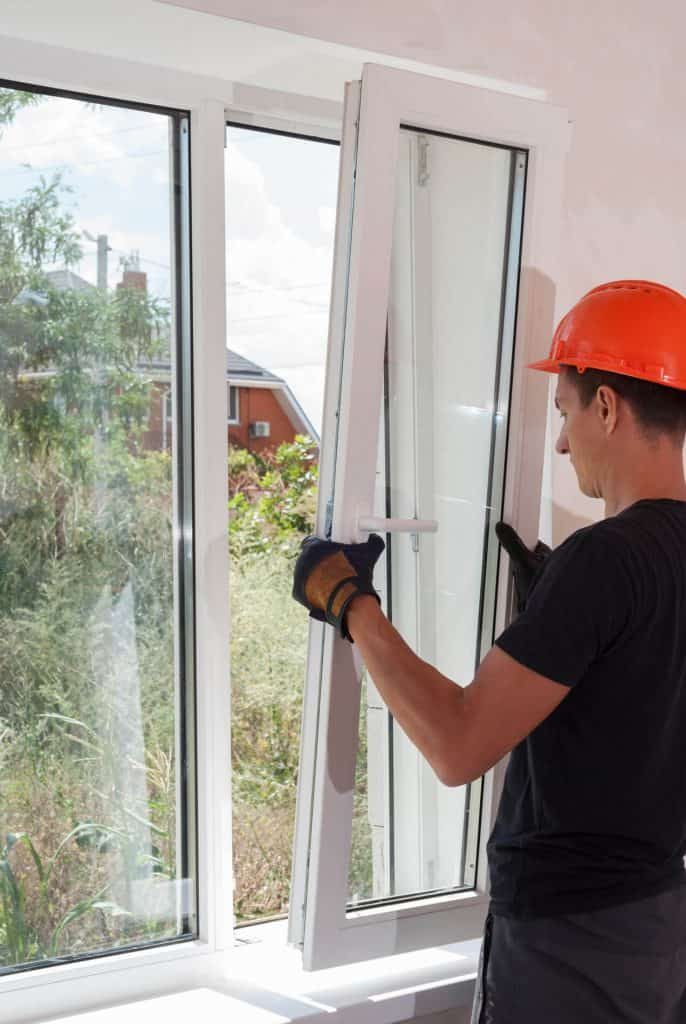
Before you even think about picking up a screwdriver, it’s important to recognise why window repair safety is such a critical concern. Windows present several unique hazards that many DIY enthusiasts overlook until it’s too late.
The Hidden Dangers of Window Work
Glass is the obvious culprit, sharp edges, fragile panes, and the potential for sudden breakage make it inherently risky. But the dangers extend far beyond cutting yourself on broken glass. Consider the following:
Falls and injuries from working at height are among the most serious risks, particularly when accessing upper-storey windows. Even a single-storey window can be problematic if you’re standing on an unstable ladder or reaching at an awkward angle.
Chemical exposure from old paint, sealants, and weatherproofing products can cause respiratory issues, skin irritation, or more severe health complications. Many homes built before the 1980s contain hazardous materials like asbestos in window caulking and glazing compounds.
Repetitive strain injuries develop gradually as you twist, pull, and manipulate frames during repair work. By the time you notice the pain, you may have caused significant damage to your wrists, shoulders, and back.
Eye injuries occur more frequently than people realise, especially when using power tools or when particles become airborne during sanding or cutting operations.
Why Professional Standards Exist
At Futureglaze Windows, we don’t follow safety protocols simply because they’re recommended, we follow them because they’re born from decades of industry experience and countless lessons learned. The standards and guidelines established by health and safety organisations exist because people have been injured, and those injuries have provided valuable insight into prevention.
Understanding this context helps you appreciate why we’re so passionate about sharing this information with you.
Essential Protective Equipment for Window Repair
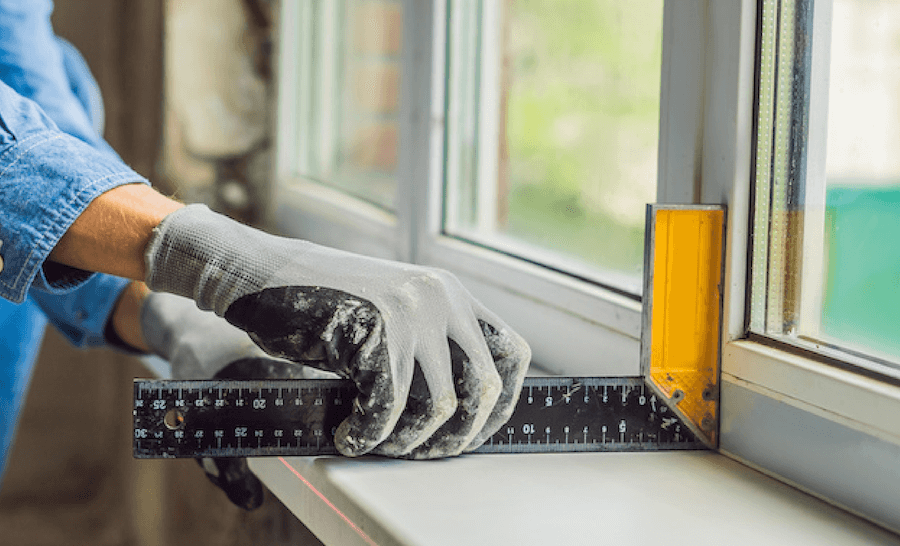
The Foundation: Personal Protective Equipment (PPE)
Personal protective equipment is your first line of defence against the various hazards associated with window repair. Think of PPE as your safety uniform, it’s not optional, and it’s not something to skimp on.
Safety glasses and eye protection should be worn for every window repair task, without exception. Tempered glass fragments, dust particles, and debris travel faster than you might expect. Quality safety glasses with side protection prevent injuries that could affect your vision permanently. Look for glasses that meet BS EN 166 standards.
Cut-resistant gloves are non-negotiable when handling broken glass, sharp frame edges, or weathered materials. Leather gloves offer reasonable protection, but specialised cut-resistant gloves with high-denier fabric or reinforced panels provide superior defence. Consider wearing two pairs, a thinner pair underneath for dexterity and a protective pair on top when handling particularly dangerous materials.
Dust masks and respirators protect your lungs from harmful particles. A simple disposable dust mask (FFP2 standard) works for basic sanding and dusty environments, but if you’re removing old sealants, paint, or caulk, especially in older properties, you need a proper respirator. Check whether the property might contain asbestos before beginning work on windows in homes built before 1999.
Steel-toed boots might seem excessive for window work, but they protect your feet if you drop tools or glass panes. Many serious injuries occur when heavy materials fall on unprotected feet. Proper footwear is a simple investment that pays dividends.
Advanced Protection: Specialised Safety Gear
Beyond basic PPE, certain window repair tasks require additional protective measures.
Face shields offer superior protection to safety glasses alone, particularly when using rotary tools, power sanders, or removing stubborn glazing compound. They protect not just your eyes but your entire face from unexpected projectiles.
Hearing protection becomes necessary when using power tools. Prolonged exposure to noise above 85 decibels can cause permanent hearing damage. Quality earplugs or earmuffs are cheap insurance against a lifelong hearing impairment.
Knee pads aren’t just for comfort, they prevent injuries when you’re working on ground-level windows or kneeling to access lower frames. Garage floors and outdoor spaces often hide sharp debris.
First aid kits should be accessible during any window repair project. Keep one nearby with plasters, antiseptic wipes, gauze, and bandages suitable for cuts and minor injuries.
Safe Tool Handling: Techniques That Prevent Injury
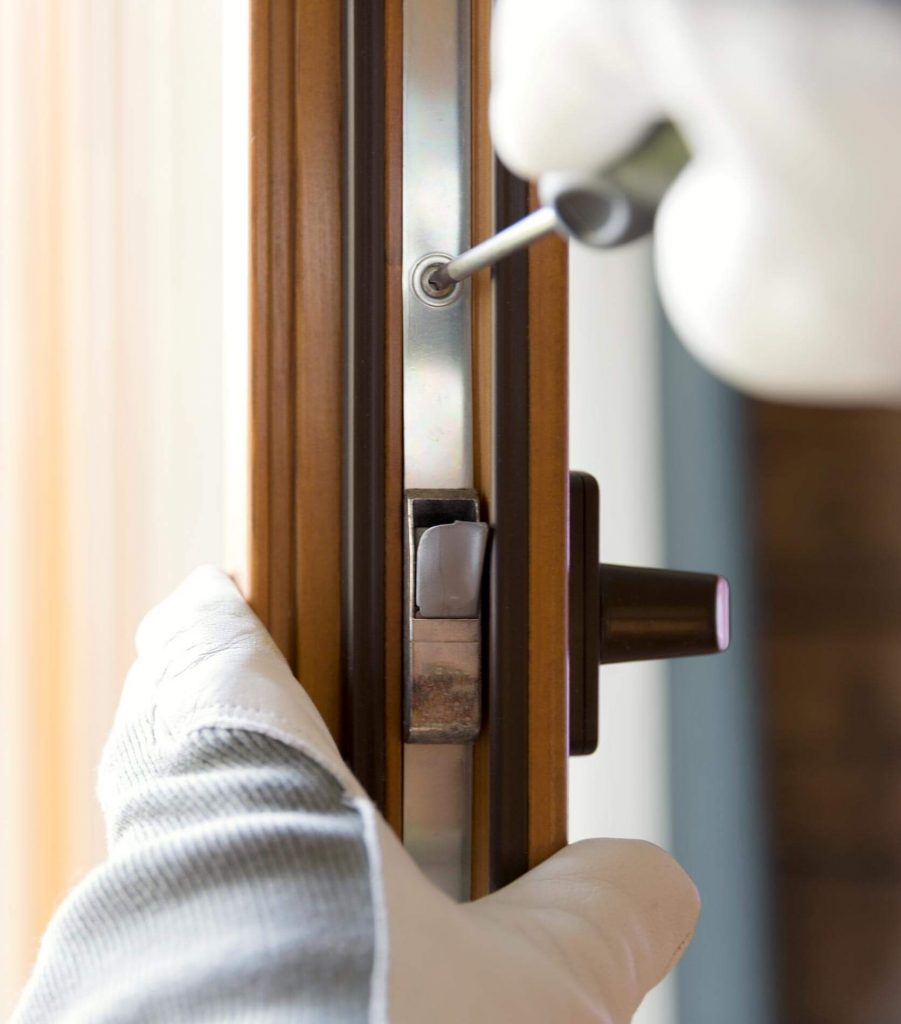
Selecting the Right Tools
Not all tools are created equal, and using inappropriate tools dramatically increases your injury risk.
Quality matters immensely. Cheap tools break unexpectedly, slip more easily, and often lack proper safety features. Invest in recognised brands that stand behind their products with warranties and safety certifications.
Correct tool selection for each task is fundamental. Using a hammer when you need a rubber mallet, or a flathead screwdriver when you need a Phillips head, forces you into awkward positions and increases slippage. When your tool doesn’t fit the job properly, your hands are more likely to slip and strike sharp or moving parts.
Power tools require respect. Cordless drills, rotary tools, and angle grinders are magnificent time-savers, but they’re genuinely dangerous in inexperienced hands. Before using any power tool, familiarise yourself completely with:
- How to start and stop it safely
- How to grip it correctly for maximum control
- What could happen if the tool binds or catches
- Emergency stop procedures
As you can see, there are many things to consider when tackling a DIY window repair job. If you’re unsure about your skills and would prefer to work with a professional, the team at Futureglaze can help.
At Futureglaze, we offer a comprehensive window repair service across South Wales. Get in touch today to find out more. You can call us on 01656 252 252 or contact us online.