Call us on 01656 252 252


With the unpredictable British weather and the ongoing focus on household running costs, managing how our properties retain warmth has become a top priority for us all. A significant percentage of domestic heat loss occurs through outdated, single-glazed, or failing window units. For homeowners looking to lower their energy consumption and create a warmer living space, upgrading to energy-efficient uPVC windows is one of the most effective structural changes you can make. Beyond improving comfort, modern window systems can also help reduce draughts, minimise external noise, and enhance the overall value and appearance of your home.
At Futureglaze, we have spent nearly four decades helping families across the South Wales community transform their properties. Since 1988, our family-run, honest, and principled approach has ensured that local homeowners receive reliable, highly insulated installations built to withstand the elements while keeping energy bills under control. Our commitment to quality craftsmanship, exceptional customer service, and long-lasting performance has earned us a trusted reputation throughout the region
Decoding window energy ratings
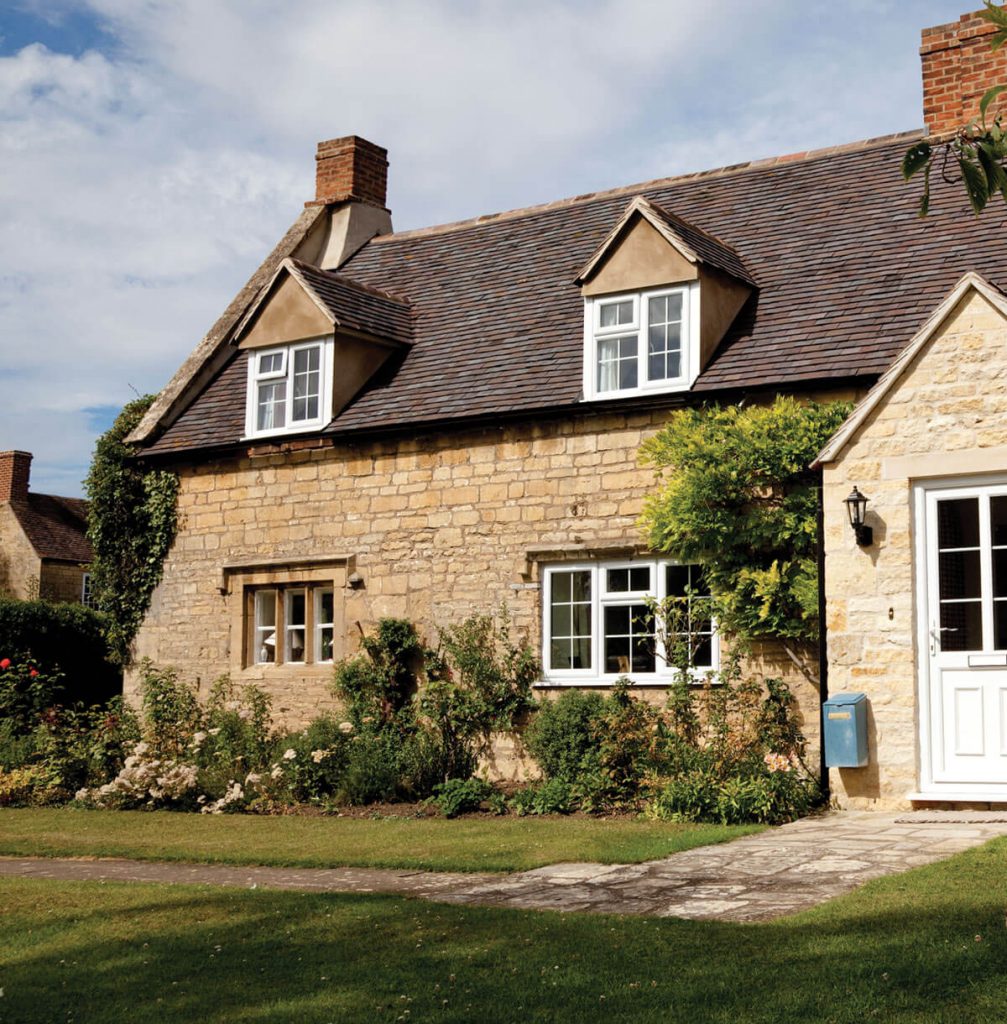
When researching new windows, you will frequently encounter the Window Energy Rating (WER) scale. This rainbow-coloured label, regulated by independent bodies such as the British Fenestration Rating Council (BFRC), grades the overall energy performance of a window from A++ down to E.
The rating system does not just look at how well a window stops heat from escaping. It calculates a balance of three distinct technical factors:
- Thermal efficiency: How effectively the unit prevents internal warmth from leaking outside.
- Solar gain: How much free, natural warmth from the sun the glass allows into the living space.
- Air leakage: How airtight the frame construction is against cold outdoor draughts.
Choosing a system rated ‘A’ or higher ensures you are investing in a product configured to meet strict UK building regulations regarding thermal performance.
Double glazing vs triple glazing: which is right for you?
Choosing the right specification depends entirely on your property location, budget, and specific insulation goals.
- Double glazing: This configuration uses two panes of glass separated by an argon gas-filled cavity. The gas has lower thermal conductivity than air, acting as a highly effective barrier that slows down heat transfer. For the vast majority of UK homes, modern A-rated double glazing offers a massive jump in thermal insulation compared to older installations.
- Triple glazing: By adding a third pane of glass, this option creates two insulating barriers. Triple glazing is ideal for highly exposed coastal areas, north-facing rooms, or properties suffering from heavy external noise pollution. It minimises heat loss even further, though it represents a higher initial financial outlay.
How modern uPVC frames trap warmth
The glass is only part of the story; the frame itself plays a massive role in overall energy efficiency. Un-plasticised polyvinyl chloride, commonly known as uPVC, is a naturally poor conductor of heat, making it an excellent material for window construction.
Older uPVC frames however were often hollow, allowing cold air to transfer easily from the outside wall into your home. In contrast, modern uPVC frames are engineered with an advanced multi-chambered internal profile. These small, distinct pockets trap still air within the frame structure, breaking up convection currents and severely restricting heat transfer. Coupled with high-performance double weather seals, these frames ensure that draughts and dampness stay firmly outside.
The financial impact: lowering your household running costs
Upgrading your glazing provides a direct, measurable impact on your household finances. According to data from the Energy Saving Trust, replacing old single-glazed windows with A-rated double glazing in a typical semi-detached home can save hundreds of pounds a year on heating bills.
By blocking heat loss during the winter and restricting excessive solar heat gain during the summer, efficient windows create a self-regulating indoor climate. Your central heating system does not have to work nearly as hard to maintain a comfortable temperature, resulting in lower gas or electricity consumption from day one.
Reducing your household carbon footprint
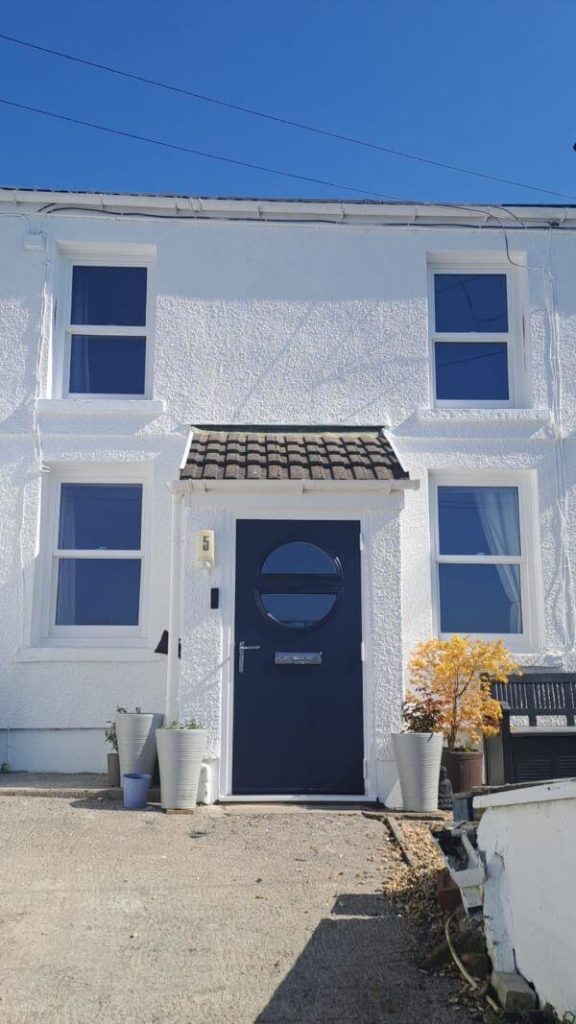
Beyond the financial savings, upgrading your windows is a responsible choice for the environment. Domestic properties are responsible for a significant portion of the UK’s greenhouse gas emissions, primarily due to inefficient heating systems working overtime to replace lost warmth.
By lowering the amount of fuel required to heat your home, you directly diminish your household carbon footprint. Furthermore, modern uPVC is entirely recyclable, which significantly reduces its environmental impact. Advanced manufacturing processes mean that old uPVC frames can be repurposed multiple times, ensuring your home improvement project remains sustainable from production to end-of-life.
High-performance compliant solutions from Futureglaze
Every property is unique, which is why generic home improvements rarely deliver the best results. At Futureglaze, we combine 38 years of local experience with the latest window technologies to provide tailored solutions for your home, from classic casement windows to matching uPVC doors.
Our installations are fully compliant with current building standards, giving you complete peace of mind that your investment is secure, legal, and durable.
Transform your home today
If you want to reduce your energy bills and enjoy a more comfortable home, the friendly team at Futureglaze is ready to help. Get in touch with us today or visit our showroom to speak with an advisor.
- Fill out our online contact form
- Call us on: 01656 252 252
- Email us at: sales@futureglaze.co.uk
- Visit our Showroom to see our products first hand.