Call us on 01656 252 252


Living in a period property or traditional South Wales home often means dealing with cold draughts, rising energy bills, and intrusive street noise passing straight through original single-glazed frames.
While you may have already considered double glazing, you may also be asking yourself what is secondary glazing, and would that be an alternative solution. Secondary glazing involves fitting a fully functional secondary window frame on the room side of your existing window opening. Unlike replacing the entire window unit, this process preserves your exterior frames while creating a secondary thermal barrier that traps warm air, stops draughts, and dampens outside noise.
In this article we take a clear look at how secondary glazing works, how it compares to double glazing, and whether it is the most effective solution for your property.
Key differences: Secondary glazing versus double glazing
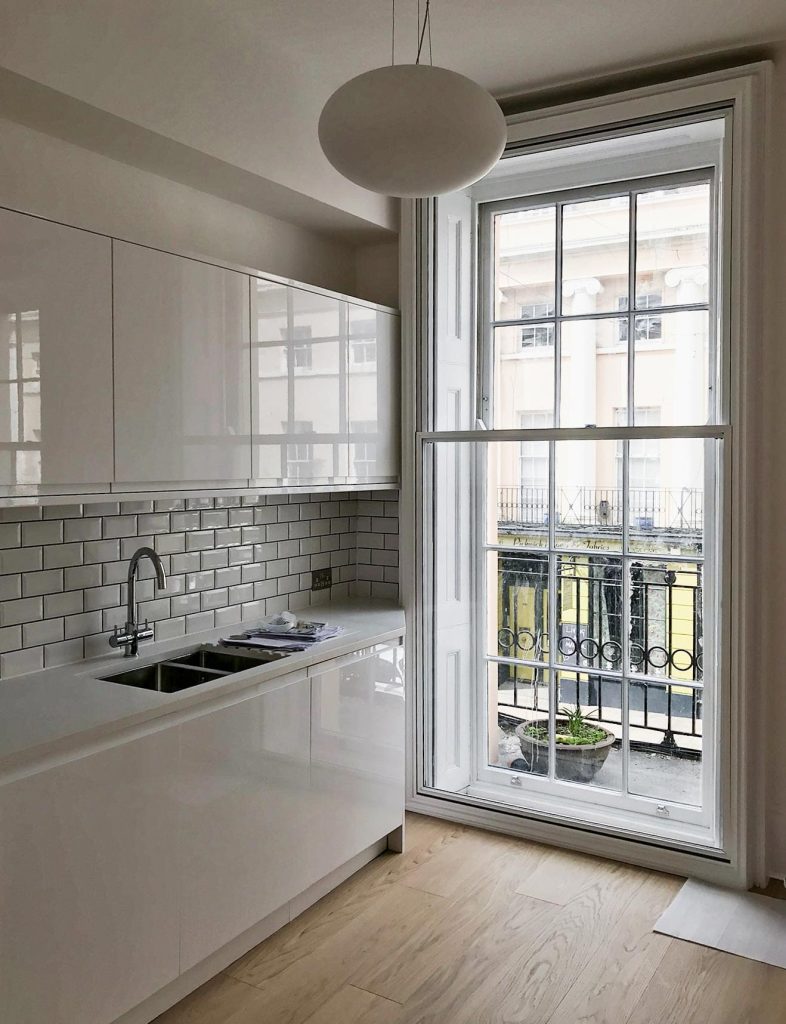
Understanding how secondary glazing differs from traditional double glazing helps you choose the right upgrade for your budget and property constraints.
Double glazing consists of two glass panes sealed into a single, factory-manufactured frame, separated by a narrow spacer bar containing insulating gas. Installing new double glazing requires removing the existing window frame entirely, which alters the external appearance of the building facade.
In contrast, secondary glazing leaves your primary window completely untouched. A discreet secondary frame is mounted on the internal reveal of the window opening. Because the two window systems operate independently, secondary glazing creates a much larger air gap between the glass panes (typically between 100mm and 150mm). This wider air gap delivers distinct advantages for acoustic insulation and thermal performance that standard double glazing cannot match in specific scenarios.
Heritage protection: The ideal choice for listed homes and conservation areas
Replacing original sash windows or leaded glass in a historic property is often strictly regulated or prohibited outright.
If your home is a listed building or sits within a designated conservation area, replacing original frames usually requires local authority planning permission. Planning officers frequently reject double-glazing replacements to protect the historical integrity of streetscapes. Because secondary glazing is an internal modification that causes zero changes to the exterior building fabric, it rarely requires formal planning approval.
This makes secondary glazing the most effective option for owners of heritage and period properties who want modern thermal insulation while respecting historic architectural charm.
Lowering heating bills: How secondary glazing stops heat loss
Single glazing is a major source of heat loss in traditional homes, letting up to 20% of your indoor heating escape through cold glass panes.
Adding a secondary window creates a sealed thermal cushion that boosts heat retention during winter. The trapped air gap acts as an insulating barrier, preventing warm air inside your room from making direct contact with cold external glass. Upgrading single glazing with professional installation of secondary glazing can reduce window heat loss by up to 60%, helping lower your annual heating bills and improving overall household energy efficiency.
Soundproofing and draughts: Tackling noise pollution and condensation
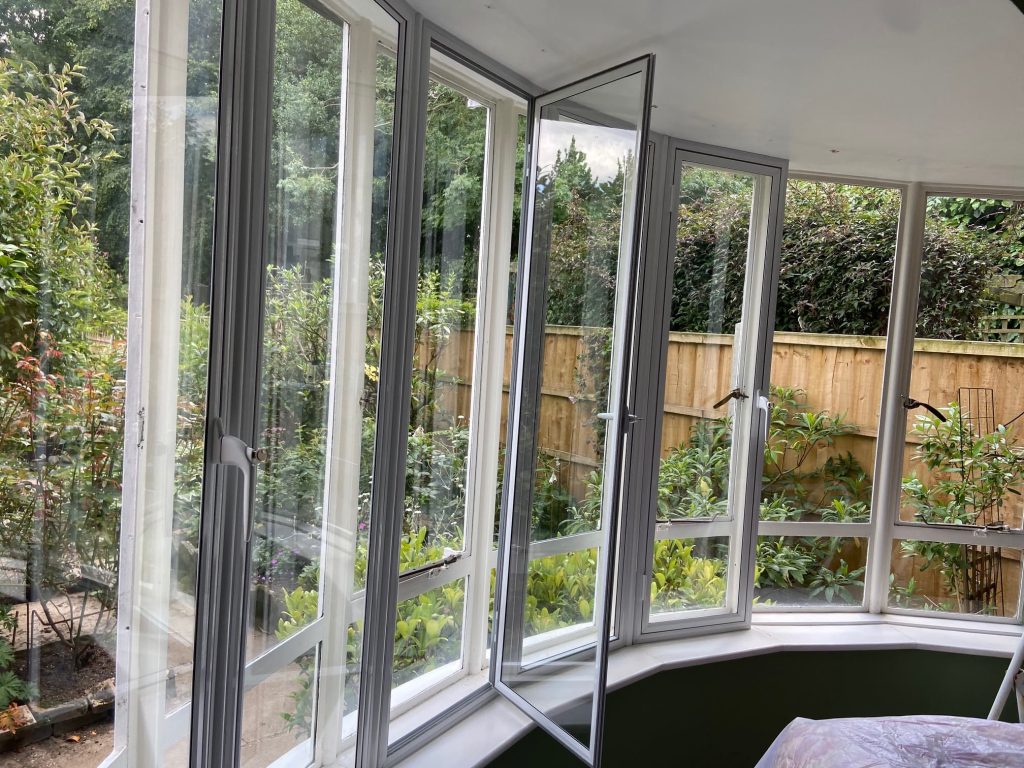
Beyond keeping your home warm, secondary glazing offers exceptional acoustic control and draught management.
Maximum Noise Reduction
If you live near a busy road, railway line, or commercial area, outside noise pollution can disrupt your sleep and home life. The wide air gap created between the primary window and the secondary panel disrupts acoustic sound waves far more effectively than standard double glazing. Choosing a specialised acoustic glass type of secondary glazing can cut incoming traffic noise by up to 80% (or roughly 54 decibels), transforming noisy living spaces into quiet retreats.
Eliminating Draughts and Condensation
Cold draughts entering through loose timber sashes compromise room comfort. Precision-fitted secondary window systems, available as horizontal sliders, vertical sliders, hinged units, or removable magnetic strips, seal internal frame perimeter gaps completely. This barrier keeps cold air out while reducing internal condensation build-up on original glass panes by maintaining a warmer surface temperature inside.
Find the right glazing solution with Futureglaze
At Futureglaze, we have been committed to serving the whole South Wales community with honest advice and high-performing home improvement products since 1988. As a family-run business, our reputation is built on straightforward guidance and quality installations.
Contact our friendly South Wales team today to discuss your property requirements or visit our showroom to explore our options:
- Online contact form: Contact Futureglaze
- Telephone: 01656 252 252
- Email: sales@futureglaze.co.uk
- Visit our showroom: Unit 3, Ewenny Industrial Estate, Bridgend, CF31 3EX (Monday – Friday: 9am to 5pm)